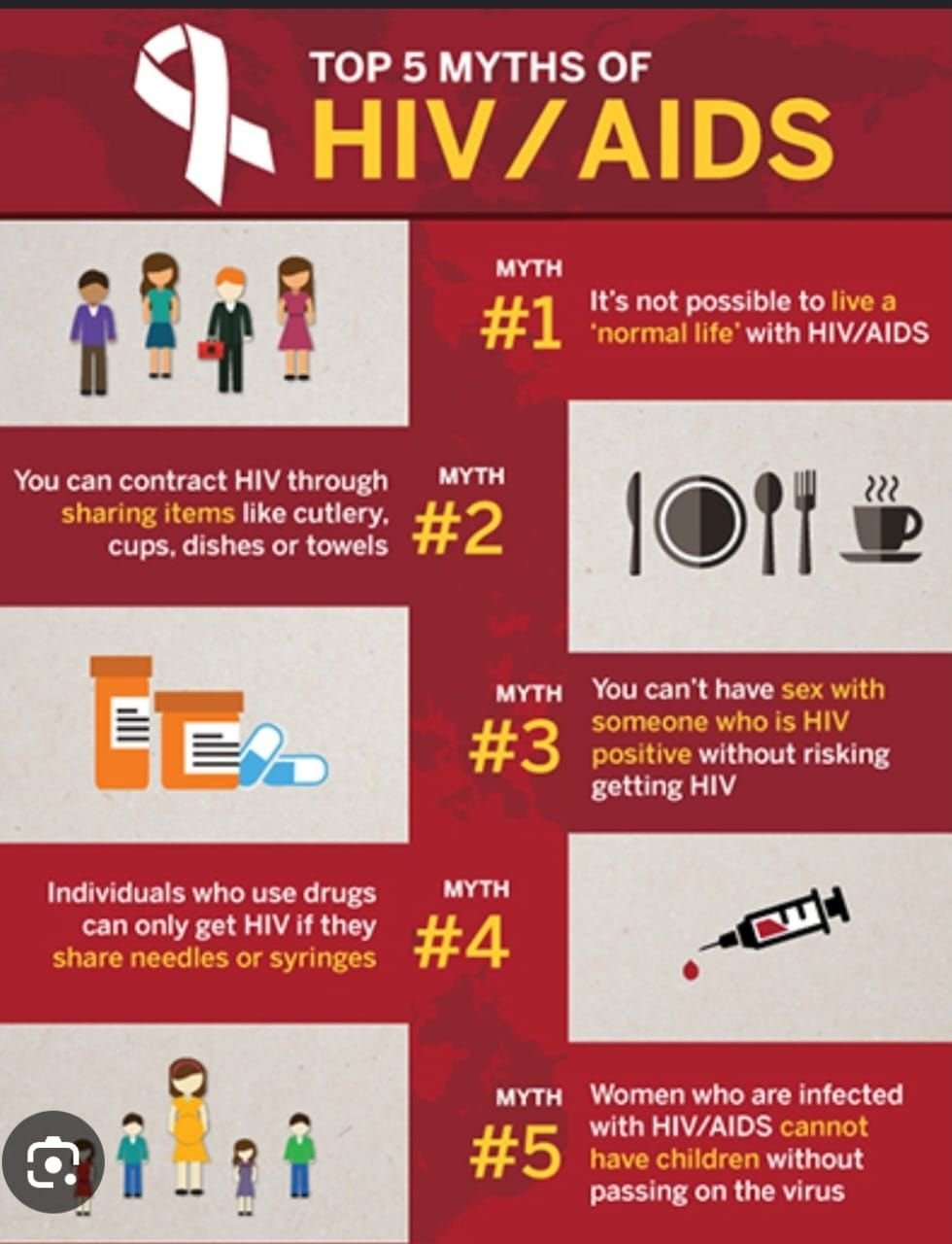
The call was made during a Media Capacity Building Workshop on HIV Reporting in Ghana, where journalists examined how media coverage can either challenge HIV stigma or unintentionally reinforce it.
The initiative, organized by the Ghana AIDS Commission in partnership with development partners, observed that while HIV remains a visible subject in the media, much of the coverage tends to focus on figures, sponsored programmes, World AIDS Day activities, and other major events.
The Country Programme Manager of the AIDS Healthcare Foundation (AHF), Dr. Ekua E. Houphouët, who took the participants through this training, highlighted a simple principle: accurate reporting saves lives and builds trust.
Participants were encouraged to go deeper by asking what the numbers mean for people, what services are available, and where gaps in the HIV response remain. HIV stories often begin and end with statistics: new infections, people on treatment, AIDS-related deaths, or testing figures. Those numbers matter, but trainers urged journalists to put them into context and connect them to people's lived experiences.
The workshop encouraged journalists to feature a wider range of voices, including people living with HIV, health workers, adolescent girls, families, and other populations affected by the epidemic. But participants were also reminded that human-interest reporting must never come at the expense of privacy or dignity. For the media, stigma can appear in headlines, photographs, interviews, commentary, and even seemingly harmless descriptions.
Few HIV-related stories demonstrate the importance of verification more clearly than claims of a cure. Rumours and unverified cure claims can spread rapidly through radio, social media, and WhatsApp, sometimes reaching large audiences before health authorities or experts have an opportunity to respond.
The workshop, therefore, urged journalists to distinguish clearly between facts, opinions, rumours, and unverified claims. The rule is straightforward: health claims require verification, context, and a harm check before publication. Participants were also encouraged to challenge the numbers they receive rather than simply reproduce them. A statistic without context can be misleading.
The workshop also placed particular emphasis on confidentiality. Before publishing, journalists should ask whether the person's identity is genuinely necessary to the public-interest purpose of the story and whether the person fully understands how the material will be used.
Consent should be informed, voluntary, and obtained without pressure.
Before publishing an HIV-related story, journalists are encouraged to pause and ask:
- Is it accurate?
- What is the source?
- Is it fact, opinion, or rumour?
- Does the language stigmatise?
- Have I protected privacy?
- Is there context?
- Could this cause harm?
- Does the audience know what to do next?
Ghana's HIV response depends not only on medicines, testing, and prevention programmes, but also on public trust. That trust can be strengthened when journalists report accurately, question claims rigorously, and give people living with HIV a voice without exposing them to further stigma.
Leave a Comment
No comments yet. Be the first to comment!