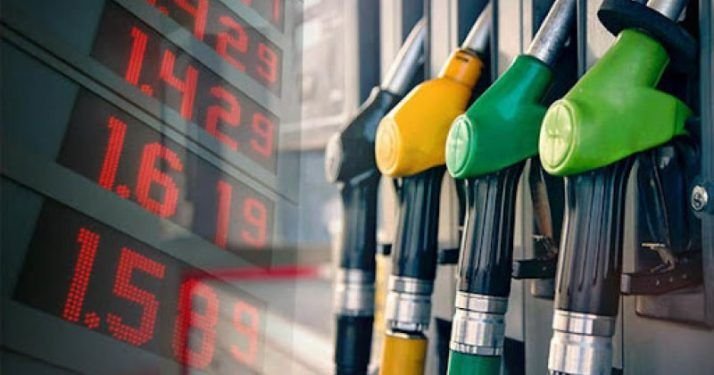
According to him, the government should scrap levies that go into the Consolidated Fund, particularly the Price Stabilisation and Recovery Levy and the Energy Sector Levy, as a way of cushioning Ghanaians against rising fuel prices.
“What we believe government should be doing and the NDC said when they were in opposition is to prescribe a removal of the taxes and levies that go to the Consolidated Fund as a means to provide cushion to Ghanaians and also not incur debt in the Energy Sector downstream space,” he said on Wednesday, September 16.
Mercer argued that government’s current revenue from windfall gains provides room to reduce the tax burden on petroleum products without undermining public finances.
“For example, they have to take away the Price Stabilisation Recovery Levy (PSRL)and also the Energy Sector Levy,” he said.
Government earning additional revenue
He said government was currently generating between GH¢6 billion and GH¢8 billion from windfall revenue that had not been budgeted for.
He argued that this additional revenue should be considered as part of measures intended to reduce the impact of crude oil prices on consumers.
According to him, government has so far incurred about GH¢12 billion, but even after accounting for the additional windfall revenue and the cost associated with the diesel relief, there could still be about GH¢4 billion available to government as excess revenue.
“If you look at what government is generating from windfall now, they are generating in excess of GH¢6-GH¢8 billion which was not budgeted for,” he said.
“Meanwhile, what they have incurred so far is about GHC12 billion, So even if you do a net of what government has generated through the windfall and the crude price and what it is incurring by way of the so-called reduction in the margins, you will be getting some GH¢4 billion that government can still take into the Consolidated Fund as excess revenue that it didn’t budget for,” he added.
He maintained that removing selected taxes and levies would provide immediate relief to consumers while helping to prevent the accumulation of financial obligations within the downstream petroleum sector.
Leave a Comment
No comments yet. Be the first to comment!