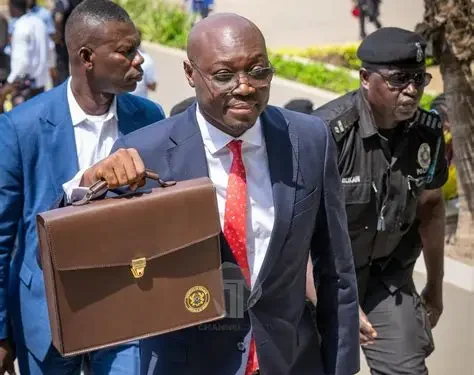
The International Monetary Fund (IMF) has endorsed a more flexible fiscal path for Ghana from 2027, saying the country can reduce the pace of fiscal tightening and create additional space for development spending while remaining on course to meet its long-term debt targets.
In its latest Article IV Consultation and proposed Policy Coordination Instrument (PCI) report, the IMF said recent improvements in Ghana’s debt position and macroeconomic stability justify a reassessment of the country’s medium-term fiscal stance.
The Fund said Ghana could lower its primary fiscal surplus target from 1.5% of GDP to 0.5% beginning in 2027 without jeopardising its legislated goal of reducing public debt to 45% of GDP by 2034, provided that fiscal consolidation is sustained by credible structural reforms.
“The lowering of the fiscal primary surplus will be supported by an ambitious package of fiscal structural reforms to contain quasi-fiscal pressures and safeguard debt sustainability,” the report said, adding that improvements in tax administration, public financial management and oversight of state-owned enterprises would help maintain fiscal discipline.
The IMF noted that Ghana’s approved 2026 budget targets a primary surplus of 1.5% of GDP, consistent with existing programme objectives, but said easing the target to 0.5% from 2027 would accommodate higher development spending while preserving policy buffers under the proposed PCI.
According to the Fund, the additional fiscal space is warranted because Ghana has made significant progress in restoring debt sustainability and continues to implement reforms that strengthen public finances.
The report said the revised fiscal path would support increased investment in priority sectors while maintaining a growth-friendly approach to debt reduction.
The IMF also highlighted Ghana’s substantial development financing needs, estimating that the country will need to spend more than 16% of GDP by 2030 to meet the Sustainable Development Goals, particularly in education, healthcare, and infrastructure.
It said strategic investments in labour-intensive sectors such as agriculture and energy could attract private investment, boost value addition and create employment opportunities, especially for young people.
The proposed PCI envisages raising primary spending from 2027 with a stronger focus on capital expenditure, while supporting additional revenue mobilisation through tax reforms and improved compliance. Planned measures include reviews of customs, excise and income tax legislation, alongside reforms under a new Medium-Term Revenue Strategy.
Ghanaian authorities agreed that the more relaxed fiscal stance is justified by the country’s improved debt dynamics and said the additional fiscal space would be used to finance priority development programmes and job creation.
“The authorities viewed the more relaxed fiscal stance as justified by strong policy action and sustained improvement in debt dynamics,” the IMF said.
“They emphasised that freed fiscal space is needed for priority spending to support jobs and development, reaffirmed commitment to fiscal structural reforms, and agreed to prioritise revenue mobilisation.”
IMF gives Ghana room to increase development spending from 2027
Business
•
•
6 views
9 hours ago
citinewsroom


Discussion
0 commentsJoin the conversation
No comments yet. Be the first to share your thoughts!