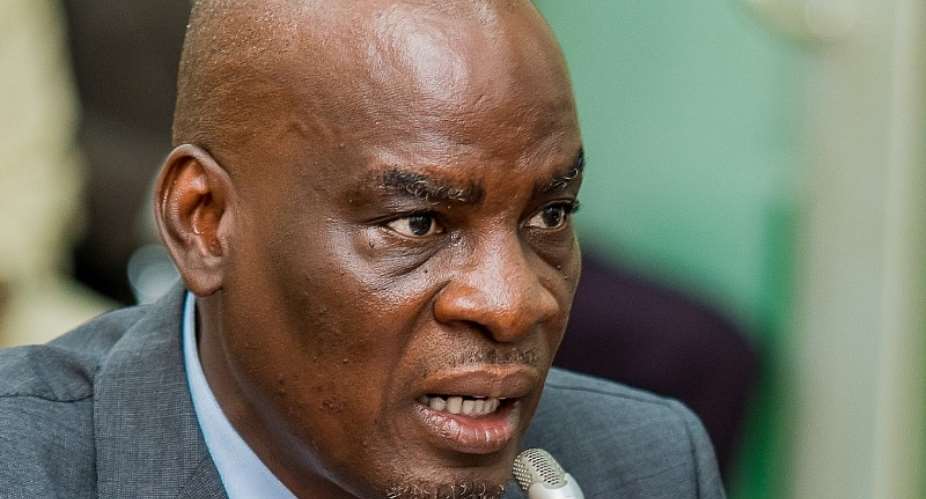
Minister for Education, Hon. Haruna Iddrisu, has stirred public debate over the hairstyles of students in Senior High Schools (SHS).
The Minister reportedly stated that “we will not tolerate long hair in schools today or tomorrow,” in response to growing debate about whether new female students should be required to cut their hair upon admission.
The remark has been met with criticism from educators, parents, and religious leaders, who argue that such a policy infringes on personal freedoms and fails to respect Ghana’s religious and cultural diversity.
In a detailed response, Dr. Abdul-Muhsin Baafi, an Islamic scholar, described the Minister’s statement as “unfortunate and troubling,” questioning the educational relevance of hair-cutting policies.
“What educational significance does cutting a student’s hair truly have? How does keeping one’s natural hair hinder learning or academic performance?” Dr. Baafi asked.
He noted that Ghana’s constitution guarantees freedom of religion and expression, emphasizing that any school rule which disregards religious or cultural values risks marginalizing certain groups.
According to Dr. Baafi, the requirement for girls, particularly Muslim students, to shave their hair directly contradicts Islamic teachings.
He cited religious texts and scholarly opinions which deem it ḥaram (forbidden) for women to shave their hairs except for valid medical reasons.
“In Islam, women are honored and their identities are protected. Muslim girls cover their hair as a symbol of modesty and faith,” he explained, adding that compelling them to shave contradicts their religious obligations.
He referenced several hadiths (Prophetic traditions) and rulings from classical scholars and contemporary fatwa committees that prohibit women from shaving their hair except in cases of illness or necessity.
Dr. Baafi also called for broader consultation with key stakeholders, including religious leaders, education experts, and parents before policies or pronouncements affecting students’ identity and faith are made.
“In many countries, schoolgirls attend classes with their natural hair, and this has never affected their discipline or academic performance,” he said.
“Education should focus on knowledge, discipline, and character not on enforcing uniformity that contradicts faith and identity.”
The issue of students’ hair has long been a subject of contention in Ghana’s education system, often highlighting the tension between institutional discipline and personal or religious expression.
Observers say the controversy underscores the need for policy reviews that promote inclusivity,
respect for diversity, and sensitivity to Ghana's multicultural and multi-faith society.
'What educational significance does cutting student’s hair truly have' — Islamic Scholar rebuts Education Minister
Education
|
|
66 views
4 months ago

Comments
Leave a Comment
No comments yet. Be the first to comment!
ModernGhana