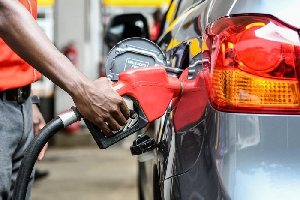
A young man identified as Emmanuel Eshun, a former fuel station worker, has disclosed tactics allegedly used by fuel pump attendants to cheat customers and management.
In an interview with KayB Media, Emmanuel said he got the opportunity to work at the station shortly after completing Senior High School in 2012.
According to him, his monthly salary at the time was GH¢80, but his first day on the job came with an unusual experience.
He explained that the supervisor gave him GH¢20 on his first day, which he initially believed was a reward for doing well.
However, he later realised it was part of a setup linked to how the fuel dispensers were allegedly manipulated.
Emmanuel alleged that at the station where he worked, most of the fuel dispensers were adjusted to reflect prices higher than the regulated rate, with only one dispenser left untouched.
He said this allowed staff to direct informed customers to the correct pump, while less informed customers were sent to the altered ones.
He added that he was not aware of the system at first until it was later explained to him. According to him, the dispensers were tampered with each morning by supervisors, after which stickers by the Ghana Standard Authority were used to cover parts of the machine, especially the unit price display.
He explained that each dispenser normally shows the unit price, total price, and litres, but the unit price section on manipulated machines is often covered, making it difficult for customers to verify what they are actually being charged per litre.
Emmanuel described the method in detail, saying, “When we cover it, you won’t really know. All you’ll see is the fuel amount. If you buy GH¢500, the amount is what will show as sold, but the actual litres won’t match what you paid for. Most people just ask for fuel by amount, so it reflects the money paid rather than the exact litres dispensed.”
See the areas to be affected by power cuts on April 19 as ECG races to fix the grid
He also claimed that after learning how the system worked, he began adjusting the dispenser himself to make additional income beyond what the company recorded.
He said this allowed him to make extra earnings, sometimes around GH¢4,000 or more in a day, depending on the type of vehicles served.
He noted that heavy-duty vehicles were often the most affected, while saloon cars and “trotro” vehicles generated smaller gains, though still significant.
Emmanuel added that commercial drivers, especially trotro operators, were sometimes quick to notice inconsistencies because they are familiar with fuel consumption patterns of their vehicles.
He said that when trotro operators realise the fuel they purchased did not last as expected, they often returned to confront attendants, leading to disputes and accusations.
However, he claimed attendants usually denied any wrongdoing.
The interviewer used the opportunity to advise drivers to always check the unit price displayed on the fuel station’s main signboard before purchasing fuel.
He cautioned that if the unit price does not match what is shown on the dispenser, or if the unit price is covered, customers should avoid buying fuel from such stations.
Former fuel attendant exposes alleged tactics used to cheat customers
NEWS
•
•
8 views
5 hours ago
Ghanaweb



Discussion
0 commentsJoin the conversation
No comments yet. Be the first to share your thoughts!