The Government of Ghana has announced the successful conclusion of its Extended Credit Facility (ECF) financial bailout programme with the International Monetary Fund.
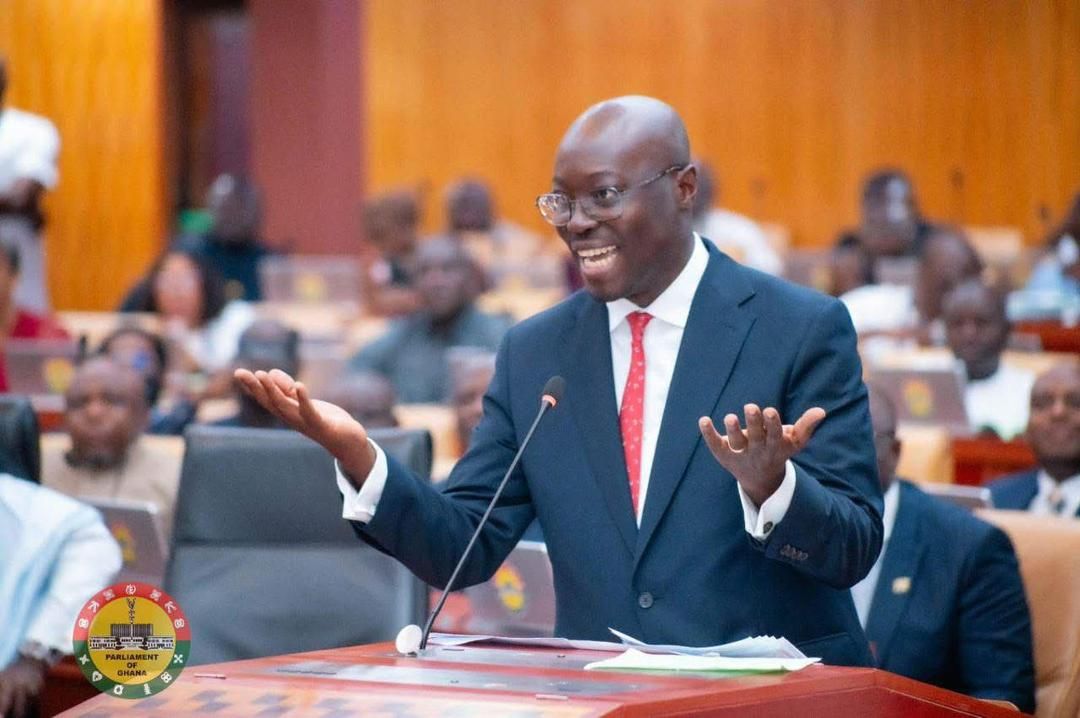
A statement issued by the Minister of Government Communications, Felix Kwakye Ofosu, on Friday, May 15 said that this is a milestone that represents the restoration of macroeconomic stability and debt sustainability, well ahead of the original timeline.
Following the derailment of the IMF financial bailout programme at the end of 2024, the statement said, the government of President John Mahama in 2025 acted decisively to bring it back on track and to recalibrate it by implementing a frontloaded fiscal consolidation, bold expenditure rationalisation, and strong structural reforms.
These efforts, it said, have delivered tangible results: inflation has reduced significantly, the cedi has strengthened markedly, public debt as a share of GDP has declined sharply, and economic growth has rebounded strongly.
" Ghana’s sovereign credit ratings have improved significantly from restricted default (Junk Status) to ‘B’ with a positive outlook, representing five distinct rating levels upgrades. This reflects improved fiscal performance, normalised creditor relations, stronger external buffers, and renewed market confidence.
"Ghana’s gross international reserves have risen to an all-time high, reaching approximately US$14.5 billion by February 2026, almost 6-months of import cover.
"These foreign exchange reserve buffers provide Ghana with the capacity to withstand external shocks and stand on its own feet," it said.
It added that this announcement marks the definitive end of Ghana’s financial bailout relationship with the IMF.
"Government is exceedingly grateful to the people of Ghana for their sacrifices, resilience and forbearance. The Government also expresses deep gratitude to its bilateral creditors, the Official Creditor Committee (OCC) and external and domestic investors for their collective sacrifice. 12. Going forward, Ghana will engage with the IMF Policy Coordination Instrument (PCI).
"The PCI is a form of Technical Assistance engagement with the IMF. It is a non-financing instrument designed to help countries implement economic reforms, signal commitment to policies, and unlock financing from private investors and other development partners. 14. For the avoidance of doubt, the PCI does not provide financial bailout, but will offer continuous capacity development, confidence boost to the market, and deliver a catalytic effect for fresh financing to Ghana."
This Non-bailout Technical Assistance Policy Coordination Instrument (PCI) will complement government’s effort to achieve Investment Grade rating.
The statement said that achieving Investment Grade rating will significantly lower sovereign and private sector borrowing costs, attract long-term institutional investors, increase foreign direct investment, and unlock cheaper financing for critical infrastructure development and private sector growth.
"Ultimately, this engagement will support government’s effort to accelerate sustainable development, create jobs and raise living standards for all Ghanaians." it said.
Government of Ghana announces successful conclusion of IMF deal
Business
•
•
67 views
2 months ago
3News
Discussion
0 commentsJoin the conversation
No comments yet. Be the first to share your thoughts!