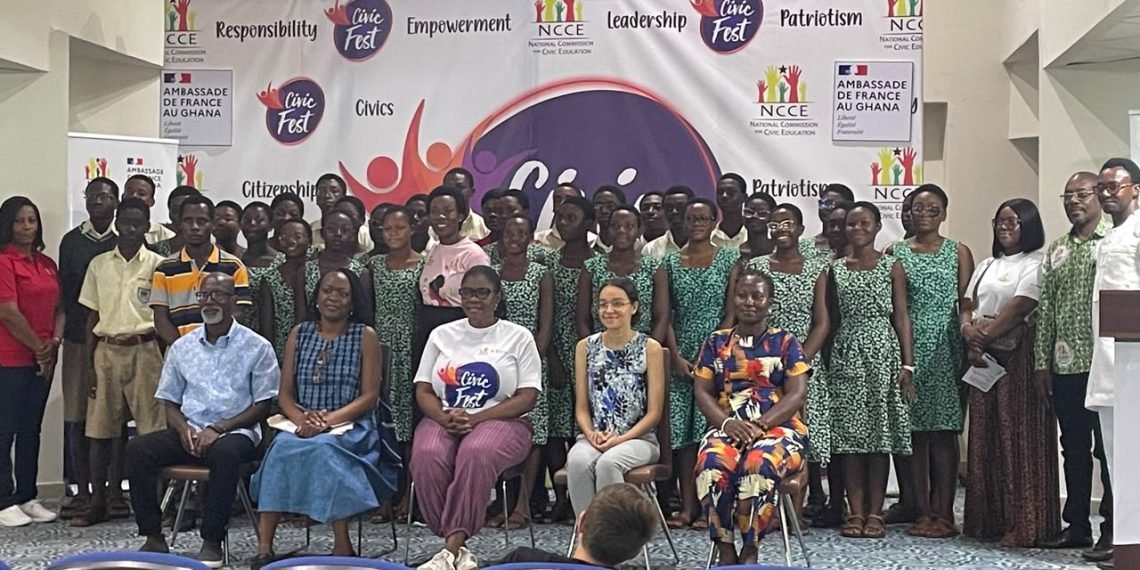
NCCE Chairperson Kathleen Addy said individuals could help combat disinformation by refusing to circulate unverified content, particularly material that could damage another person’s reputation.
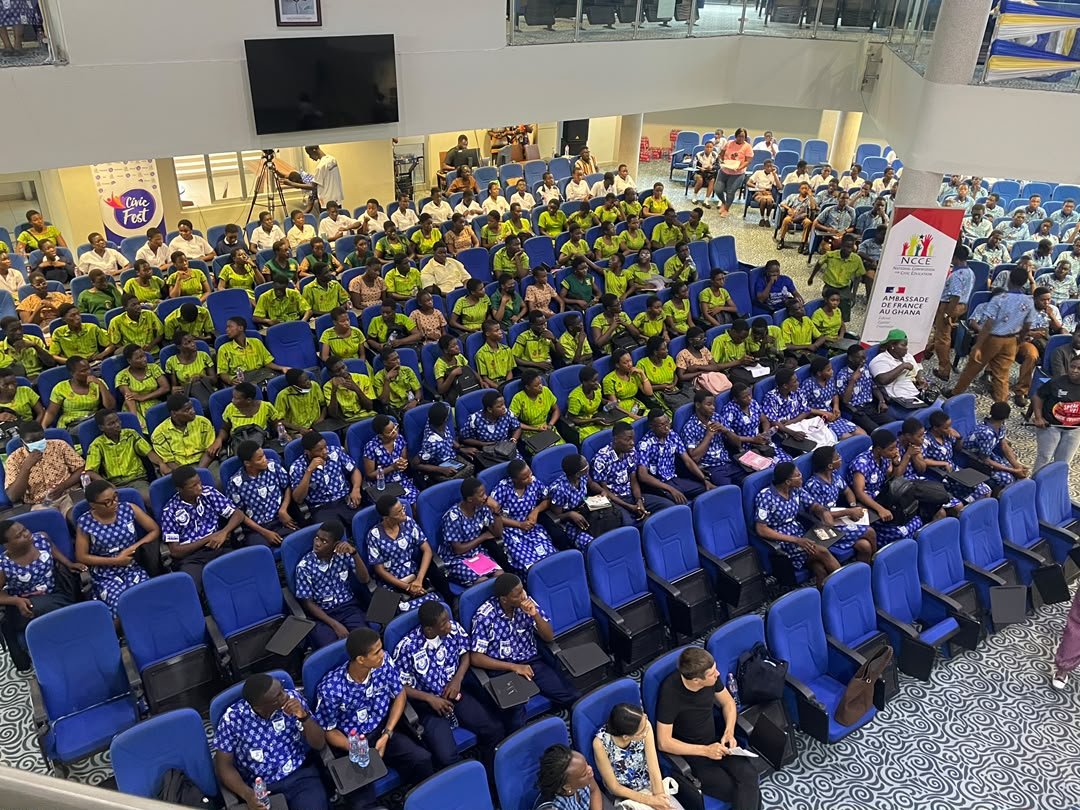
Speaking at a youth media literacy programme organised in partnership with the French Embassy, she said responsible information sharing was one of the most effective ways individuals could help tackle the problem.
“The action, the thing that is within our power, is the power of sharing. If we all decide to stop sharing, there will be this big difference,” she said.
Ms Addy warned that fabricated stories, manipulated videos and the circulation of private information could expose victims to serious psychological distress.
“There is nothing more painful than to wake up, open your socials and see something trending about you or someone else because it’s the publication of personal information that someone has put out there or somebody has manipulated a video to make it seem that it is you,” she said.
“You know this thing can cause a lot of trauma. This is very traumatic, and I know that a lot of you have been on the receiving end of shareable things like this.”
She said the consequences of disinformation extended beyond individuals, warning that false information could provoke anger, trigger retaliation and threaten social cohesion.
“At the national level as a country, we face huge existential threats because little bits of information can bring about anger, can bring about people feeling they have to retaliate,” she said.
Ms Addy urged students to recognise the role they could play in preventing the spread of harmful content, stressing that individuals had the power to stop disinformation by choosing not to share it.
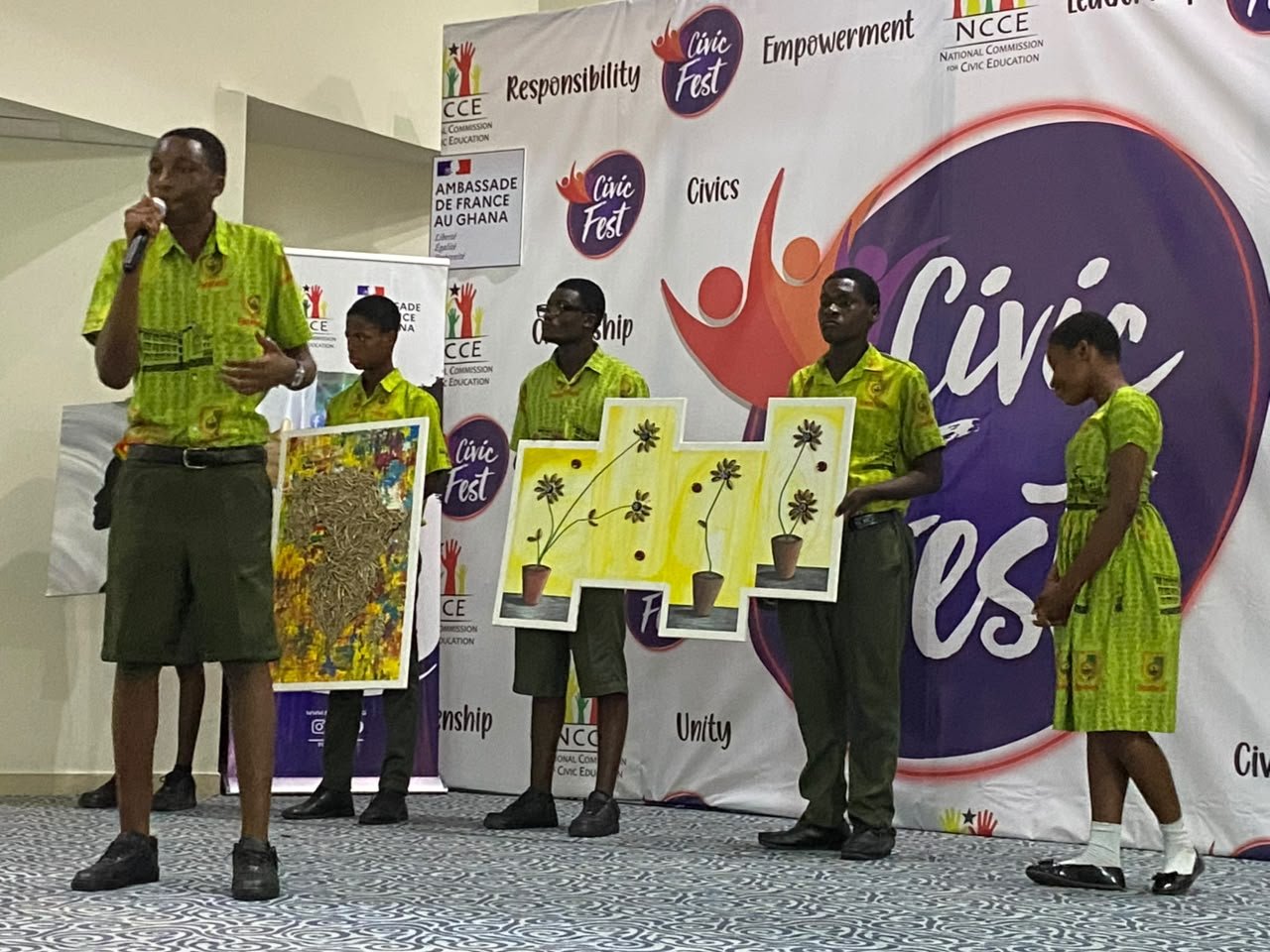
The programme brings together students from six senior high schools: Armed Forces Senior High School, Tema Senior High School, Presbyterian Boys’ Secondary School, Achimota Senior High School, St. Mary’s Senior High School and West African Senior High School.
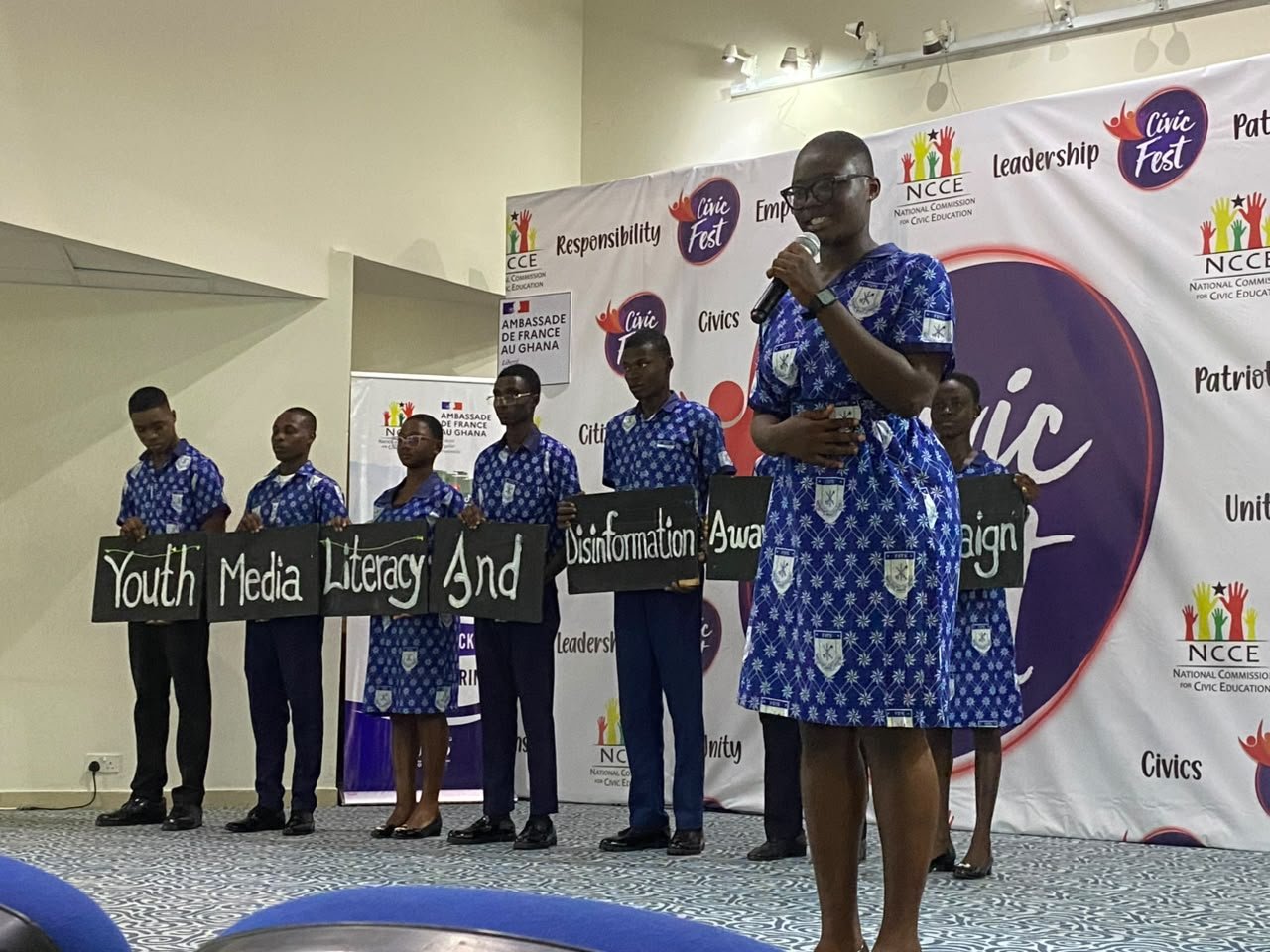
It is designed to help students identify disinformation, assess information circulating online and promote responsible social media use and digital citizenship.
The French Embassy’s Cooperation Attaché, Marine Dolomie, said tackling disinformation required cooperation among individuals and institutions because the challenge was not limited to any one country.
“This issue is not only in Ghana; it’s not only in France; it’s everywhere, and that’s why we all have the collective responsibility, as individuals and as an organisation, to educate ourselves on this issue and work together to fight against this,” she said.
Ms Dolomie commended the NCCE for its work in educating young people and said the Embassy was pleased to partner the Commission on the initiative.
Leave a Comment
No comments yet. Be the first to comment!