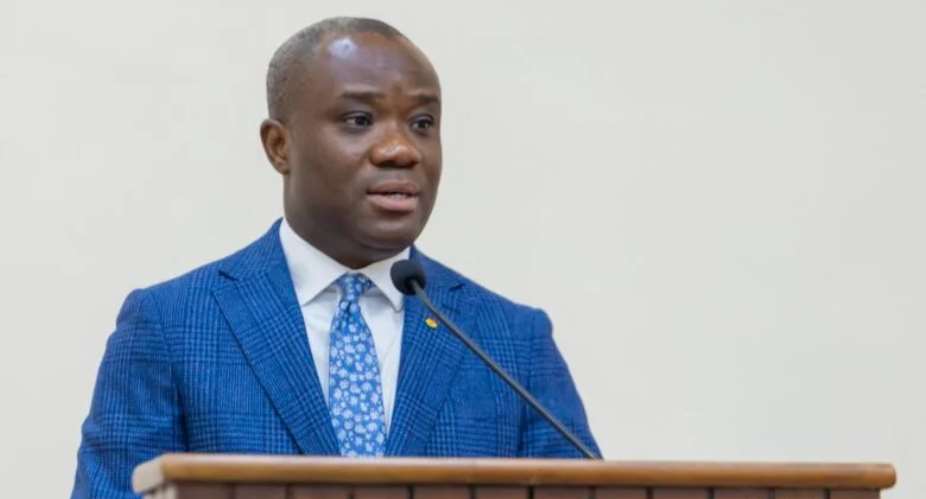
The Minister for Government Communications, Felix Kwakye Ofosu, says the government cannot publicly reveal the grounds for the removal of Chief Justice Gertrude Araba Esaaba Sackey Torkornoo, citing strict constitutional limits.
Mr. Ofosu explained that the 1992 Constitution makes it unlawful to disclose details of the process that led to her removal.
“The committee recommended the removal of the CJ. Because as you are fully aware, Article 146 does not permit disclosure of the proceedings of the committee,” he said on Channel One TV on Monday, September 1, shortly after President John Dramani Mahama announced the Chief Justice’s dismissal.
He added that although the government is restricted from making the reasons public, the Chief Justice herself has been duly informed. “But the Chief Justice has been officially informed of her removal and the reasons behind it, in a letter sent through the President's Secretary. A warrant, as prescribed by Article 146, was also issued.”
Mr. Ofosu stressed that the government is bound by the Constitution and will not flout its provisions. “I am not permitted by law to make any disclosures beyond the fact that the President has complied with the recommendations of the committee,” he said. “Jubilee House cannot breach the Constitution of Ghana, which bars us from discussing details surrounding this entire proceeding.”
Chief Justice Torkornoo’s removal followed an investigation by a constitutional committee established under Article 146(6), after a petition by a citizen, Daniel Ofori. The committee upheld allegations of stated misbehaviour as outlined under Article 146(1). Acting on its recommendation, President Mahama issued the removal warrant on September 1, 2025, in accordance with Article 146(9).
Article 146 doesn't permit disclosure of reasons for CJ Torkornoo’s removal – Kwakye Ofosu
General News
|
|
86 views
5 months ago
Comments
Leave a Comment
No comments yet. Be the first to comment!
ModernGhana
More in General News
Mahama can’t appoint all NDC members at the same time, be patient – Asiedu Nketia tells party faithful
Feb 13, 2026
Read more
Highly inflammable goods stranded at Paga border due to limited hours of operations at Burkinabe side of Ghana-Burkina Faso border
Feb 11, 2026
Read more
Galamsey fight: About $48,000 is needed to reclaim single hectare of land; over 5,500 hectares to go – Lands Ministry Spokesperson
Feb 06, 2026
Read more