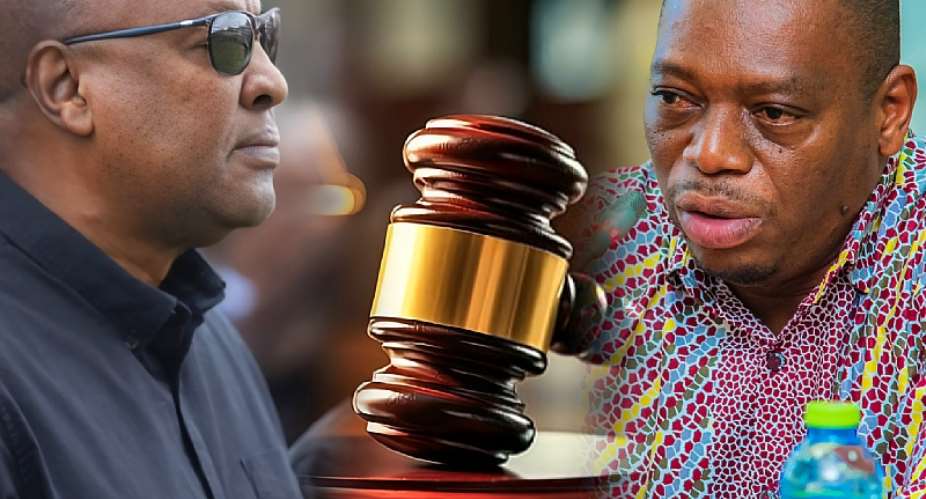
A fresh storm has erupted around the Presidency after the controversial dismissal of Chief Justice Gertrude Torkornoo, with Prof. Kingsley Nyarko, Member of Parliament for Kwadaso, describing the decision as a grave assault on Ghana's democracy.
In a strongly worded statement to Modern Ghana News, Prof. Nyarko said the move amounted to "not only an assault on the judiciary and its independence, but sadly a judicial coup d'état."
He accused President John Dramani Mahama of exhibiting "dictatorial and tyrannical tendencies," insisting the dismissal undermines public trust in democratic governance.
"The removal of the Chief Justice is a blot on our democracy," he declared, warning that the action sets a dangerous precedent for the separation of powers.
Government officials have defended the removal as constitutionally grounded, citing the recommendations of a judicial inquiry. But critics, including opposition MPs, legal experts, and sections of civil society, argue that the process lacked transparency and raised serious concerns about fairness and due process.
Prof. Nyarko's intervention adds to mounting tensions in Parliament, where lawmakers are increasingly divided over the issue. Some MPs are already pursuing legal avenues to challenge the decision, framing it as a test of the country's democratic resilience.
Observers warn that the unfolding controversy is straining relations between the executive and judiciary and could prove to be a defining moment in Ghana's Fourth Republic. With both domestic and international stakeholders closely monitoring developments, the fallout from Justice Torkornoo's removal shows no signs of abating.
Kwadaso MP condemns Torkornoo’s removal, calls it “Judicial Coup”
General News
|
|
86 views
5 months ago
Comments
Leave a Comment
No comments yet. Be the first to comment!
ModernGhana
More in General News
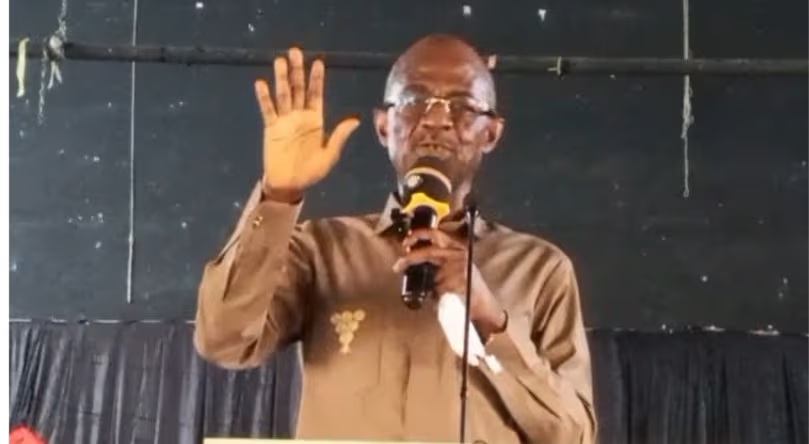
Mahama can’t appoint all NDC members at the same time, be patient – Asiedu Nketia tells party faithful
Feb 13, 2026
Read more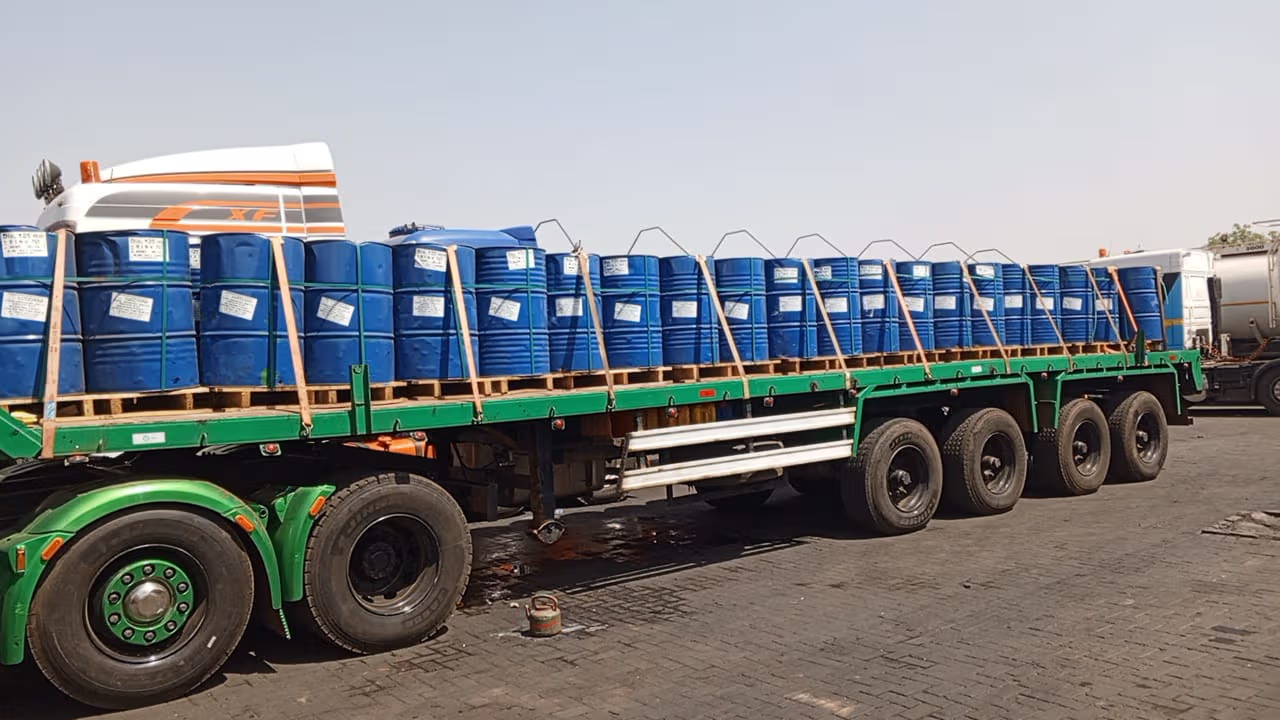
Highly inflammable goods stranded at Paga border due to limited hours of operations at Burkinabe side of Ghana-Burkina Faso border
Feb 11, 2026
Read more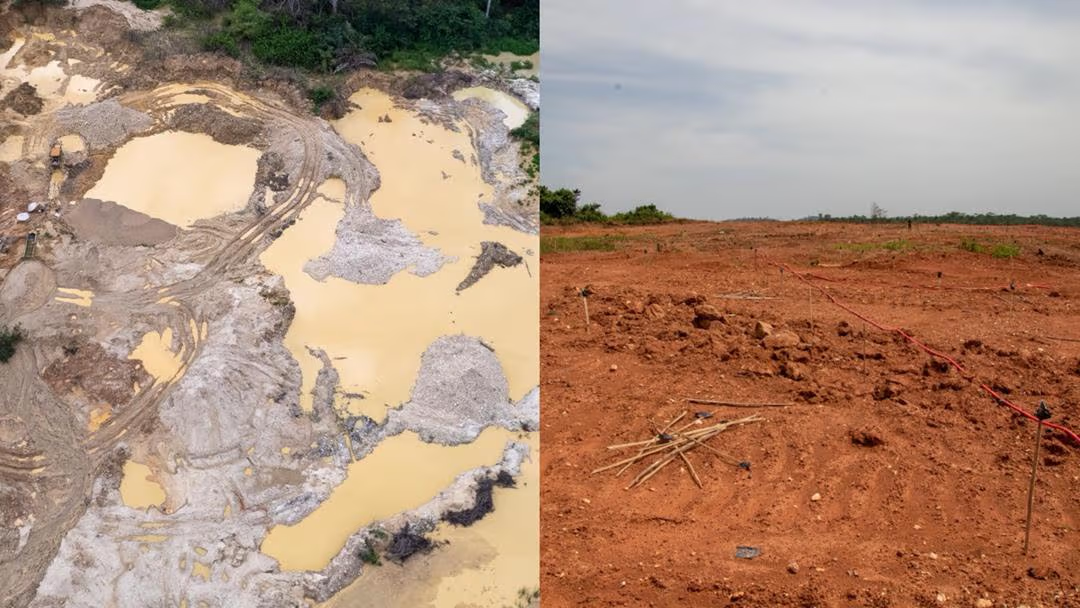
Galamsey fight: About $48,000 is needed to reclaim single hectare of land; over 5,500 hectares to go – Lands Ministry Spokesperson
Feb 06, 2026
Read more