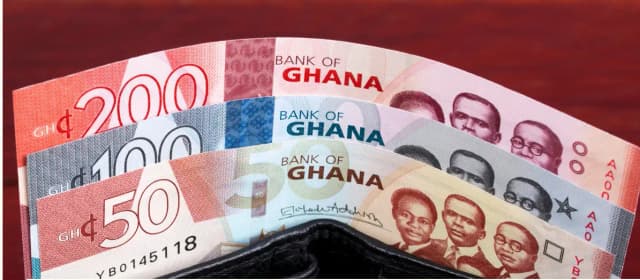
The Bank of Ghana’s Payment Systems Oversight 2024 annual report has stated that total mobile money (MoMo) transaction values rose by 56.8 per cent to GH¢3.01 trillion in 2024 from GH¢1.92 trillion in 2023. The report said this underscores the continued reliance on mobile money for financial transactions.
The composition of transaction values remained consistent with previous years, dominated by agent-to-agent transactions (34.8 per cent), third-party transfers (15.4 per cent), cash-out withdrawals (10.9 per cent), cash-in transactions (9.9 per cent), and bank-to-wallet (B2W) transfers (7 per cent). These proportions have been stable since 2023, indicating continuity in transaction behaviour.
Transaction volumes also grew steadily, up by 18.9 per cent to 8.1 billion in 2024 from 6.8 billion in 2023. The increase aligns with the greater adoption of mobile money for frequent low-value transactions, reinforcing its role as a key payment channel. The average transaction value in 2024 was GH¢372.00, showing a 32.3 per cent increase from the GH¢281.00 average recorded in 2023.
In the foreword of the report, Governor of the Bank of Ghana (BoG), Dr Johnson Pandit Asiama, said that in 2024 several regulatory activities were undertaken to promote the efficiency, stability and security of the payment ecosystem. He said the commitment of the central bank to foster a secure and resilient payment infrastructure remains paramount in this dynamic environment.
In 2024, he said, payment-system reforms were stepped up in response to rapid advancements in technology, shifting consumer preferences and evolving international standards. Significant among these reforms was the Bank’s project to make the Real Time Gross Settlement (RTGS) system and other systems ISO 20022 certified, he stated.
He said the Bank enhanced supervisory activities with particular focus on cross-border payments, market conduct, efficiency and competition enablers. “This boosted confidence in the payments space and helped accelerate growth across various payment channels, including the Ghana Interbank Settlement (GIS) system, GhIPSS Instant Pay (GIP), internet banking, gh-link™ and mobile banking. Furthermore, the National Payment Systems Strategy 2025–2028 was initiated to further push the frontier of payment systems in Ghana,” he said.
He added: “The resilience of Ghana’s payment system is highly regarded across Africa, as demonstrated by our continued role in hosting peer-learning activities and study visits by some central banks in Africa. These visits provide a platform to share our experiences, achievements and challenges.”
These developments, he said, affirm the importance of sustaining efforts to maintain an efficient and resilient payment system. It further reflects the continued confidence that individuals and businesses place in the integrity and reliability of Ghana’s payment infrastructure, which has remained resilient and free from major disruptions over the years, he added.
“Our unwavering dedication to excellence will continue to guide us while navigating future endeavours, ensuring that we uphold our position as the trusted guardian of Ghana’s payment system. Looking ahead, we remain steadfast in our mission to ensure a secure, efficient and inclusive payment ecosystem. As the landscape continues to evolve, we will enhance our regulatory framework, foster collaboration with industry stakeholders, and support responsible technological innovation.
“Our focus will remain on promoting resilience in the payment ecosystem, safeguarding consumer interests, and enabling a payment environment that drives economic growth and financial inclusion.”
Total MoMo transaction values up by 56.8% to GH¢ 3.01 trillion in 2024 from GH¢1.92 trillion in 2023 – BoG Report
Business
|
|
63 views
2 months ago

Comments
Leave a Comment
No comments yet. Be the first to comment!
3News