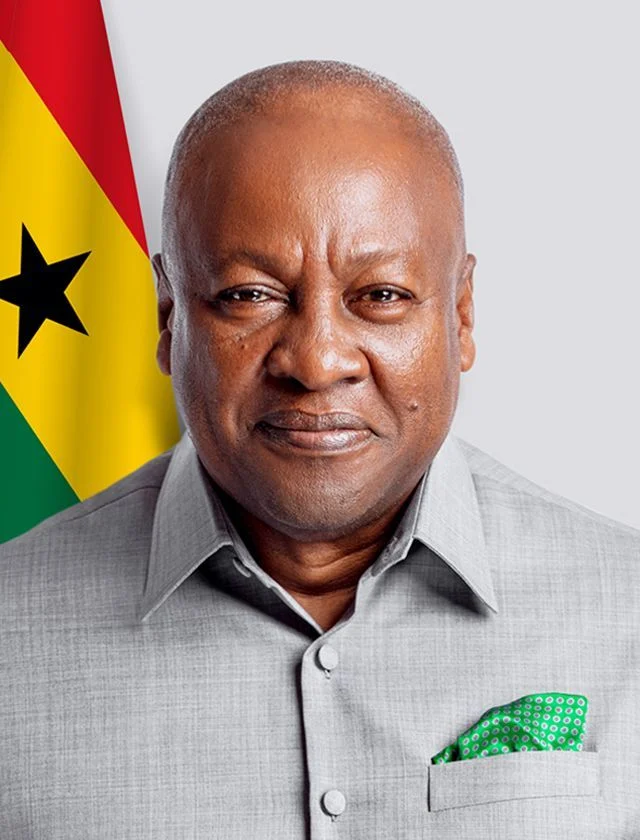
President John Dramani Mahama is set to officially launch the government’s flagship Free Primary Healthcare Programme today, Wednesday, April 15, a major step toward achieving Universal Health Coverage in Ghana.
The initiative, described as a key component of the President’s social contract with Ghanaians, will begin with a first phase covering 150 underserved districts across the country over the next two months.
The initiative is designed to ensure that every citizen, regardless of location, has access to quality healthcare.
The programme, estimated to cost GH¢1.2 billion annually, will begin in 150 underserved districts across the country. With 350 kiosks planned nationwide, the project is expected to transform Ghana’s health delivery system.
“We are deploying not less than 350 of these posts, and we will situate them in highly populated areas like markets and lorry parks. Each facility will have access to water, solar power, toilets, a pharmacy shop, a waiting area, consulting rooms, and a detaining area,” Health Minister Kwabena Mintah Akandoh explained during a visit to the Mega Warehouse in Tema on Tuesday, April 14.
According to the Minister, the project’s concept is rooted in early detection and prevention.
“The idea of free primary healthcare is not just about affordability. It is a complete shift from sick care to healthcare, detecting diseases early and, where possible, preventing them before complications arise. This is an attempt to reset the health system, moving it away from being overly reliant on treatment to one focused on prevention and early detection,” he said.
To support the programme, the Ministry of Health has begun deploying over 24,000 pieces of essential medical equipment nationwide, aimed at strengthening the capacity of CHPS compounds and health centres to deliver quality care.
The policy marks a shift from reactive to preventive healthcare, covering routine screenings for conditions such as hypertension, diabetes, obesity, and cancers, as well as antenatal and postnatal services, immunisations, and treatment for common illnesses including malaria and respiratory infections.
It also includes education on family planning, menstrual hygiene, and safe water practices, with a structured referral system to ensure patients receive appropriate care at higher-level facilities when needed.
Mr. Akandoh emphasised that the programme is designed to create a comprehensive healthcare system that prioritises early detection, reduces avoidable deaths, and improves overall public health outcomes.
Mahama to roll out Free Primary Healthcare Programme across 150 districts today, April 15
NEWS
|
|
40 views
20 hours ago
Comments
Leave a Comment
No comments yet. Be the first to comment!
3News
More in NEWS
Many personnel are yet to receive their February allowance - Concerned National Service Personnel Association of Ghana
Apr 15, 2026
Read more